ELEKTROSCHLACKE-UMSCHMELZVERFAHREN
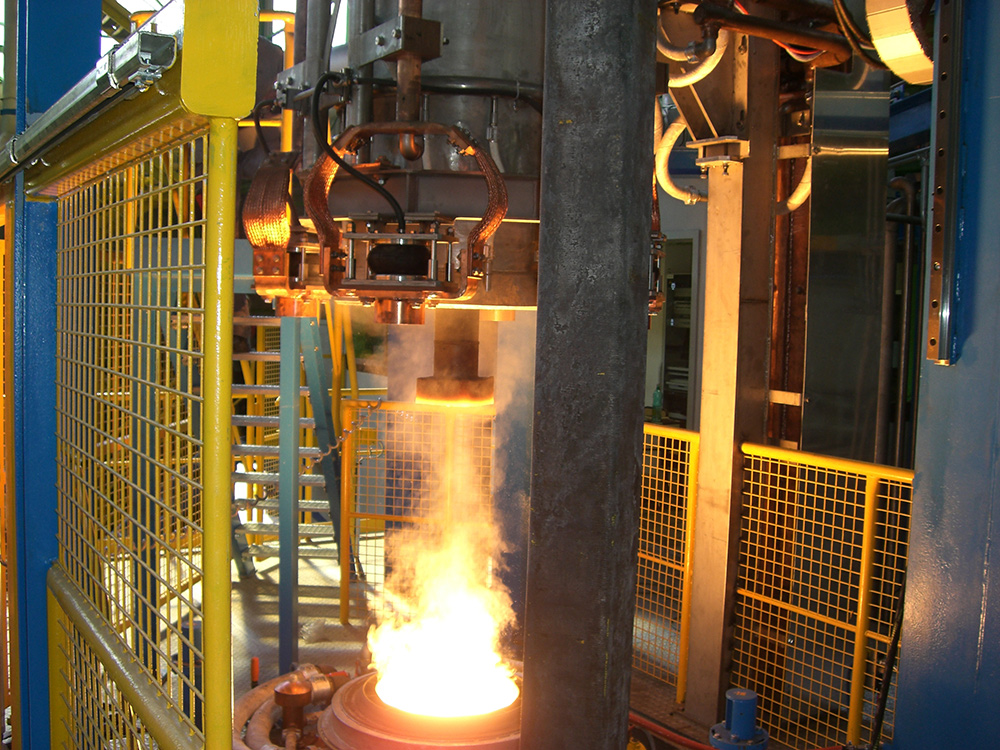
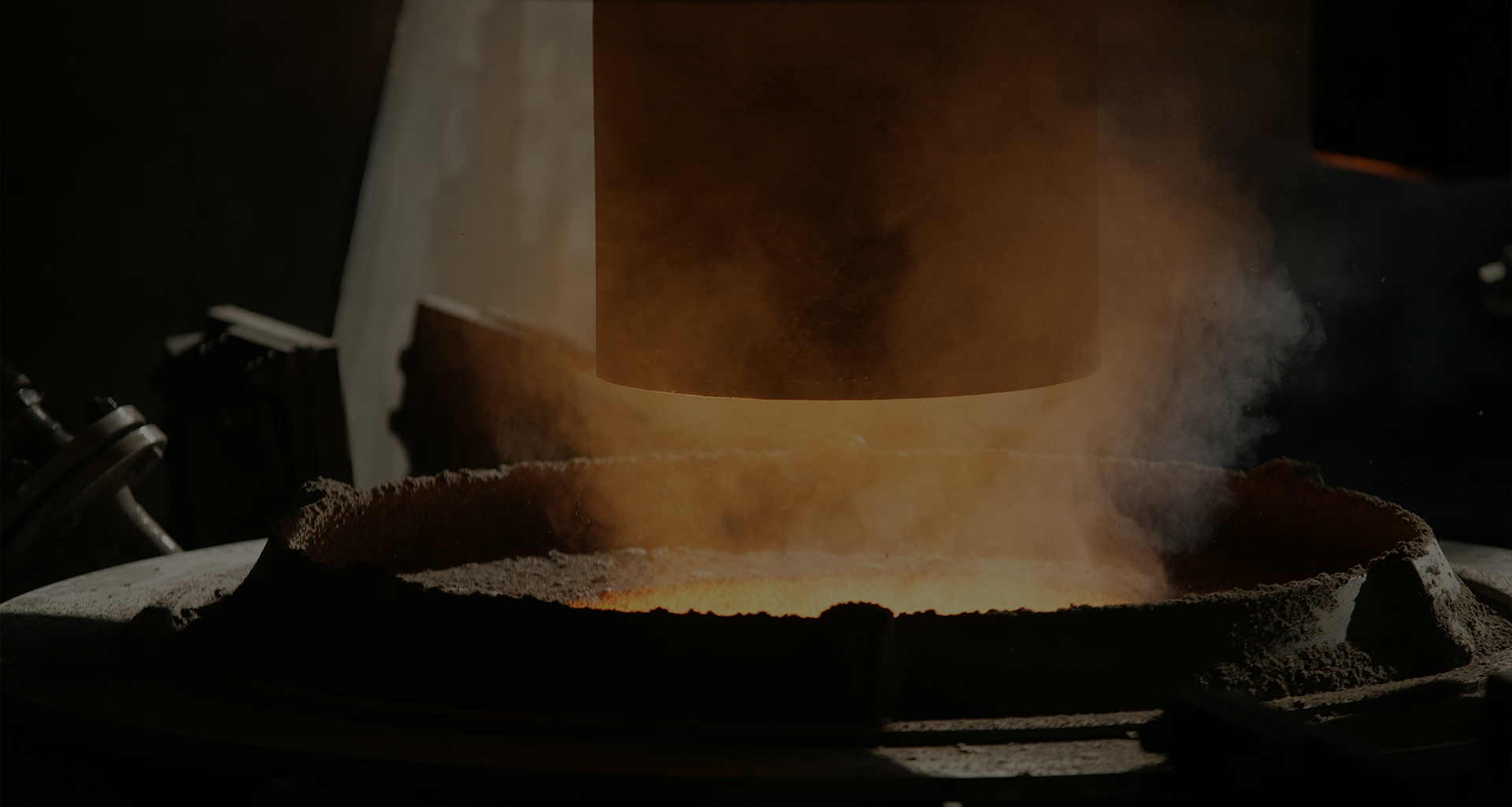
Das Elektroschlacke-Umschmelzverfahren (ESU) ist auch heute noch eine der wichtigsten Technologien in der Produktion von Stählen und Superlegierungen für höchste Ansprüche in verschiedenen Anwendungsbereichen. Seit den ersten Anwendungen, als das ESU-Verfahren nur als Entschwefelungsverfahren Ende der sechziger Jahre genutzt wurde, hat ESU zunehmend an Bedeutung gewonnen, da es die Möglichkeit bietet, eine bessere Qualität der Blöcke in Hinblick auf Seigerungen, den Reinheitsgrad und die Erstarrungsstruktur zu erzielen.
Heute ist das ESU-Verfahren ein industriell ausgereifter Prozess und wird zur Qualitätsverbesserung von Blöcken in einer Vielzahl unterschiedlicher Anlagenkonzepte umgesetzt. Aufgrund der Eigenschaften und der Komplexität des ESU-Prozesses wurden in den letzten Jahrzehnten zahlreiche Forschungen und Neuentwicklungen unternommen, die zu neuen Technologien, Anlagenkonzepten und Verfahren führten.
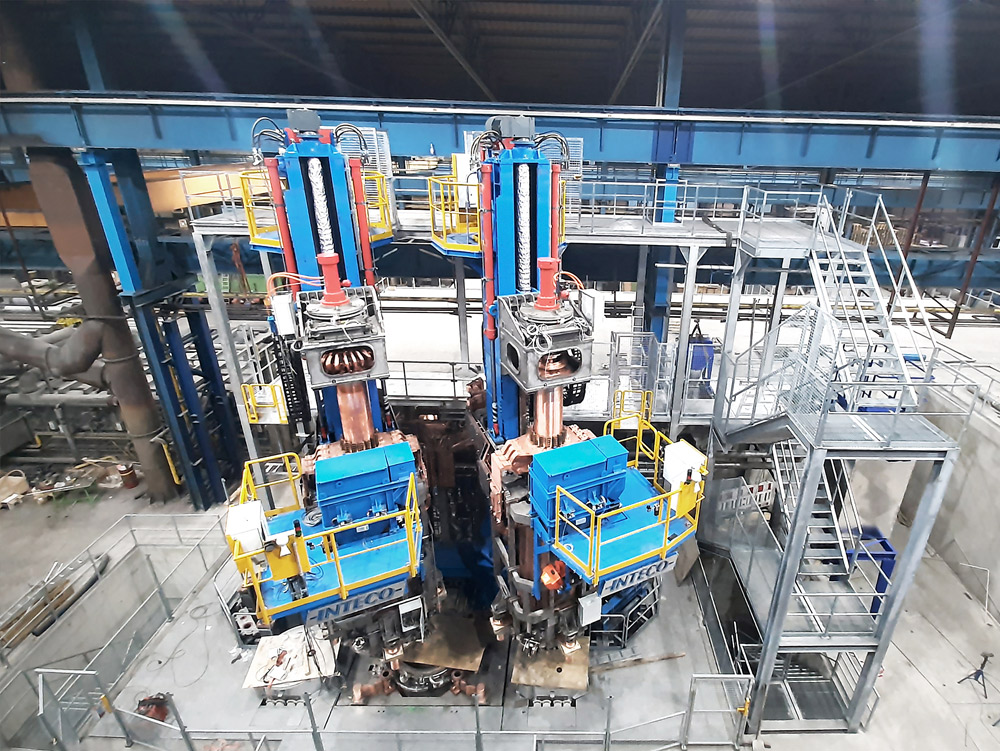
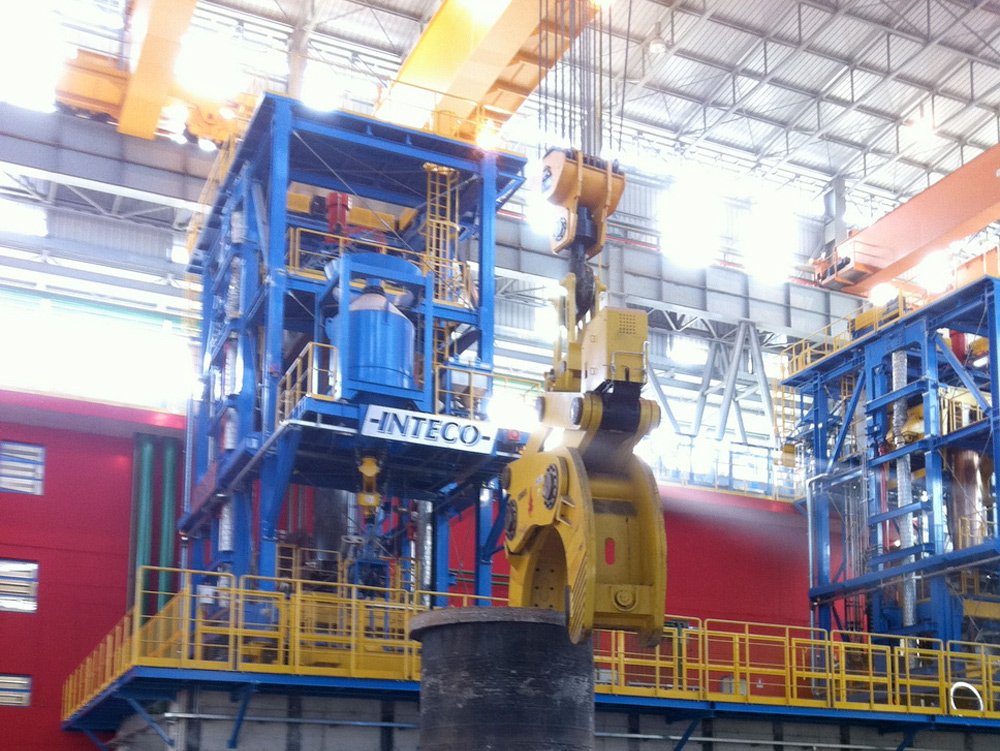
INTECO hat auf der Grundlage seiner langjährigen Erfahrung im Bereich des Elektroschlacke-Umschmelzens und kontinuierlicher Weiterentwicklungsbestrebungen eine Vielzahl unterschiedlicher Umschmelztechnologien entwickelt, die die Anforderungen der modernen Märkte erfüllen. Heute ist INTECO in der Lage maßgeschneiderte Lösungen mit den dazugehörigen Produktionstechnologien für alle Anwendungen anzubieten, die die Erwartungen der Kunden an die Produktqualität und Prozessstabilität erfüllen.
- Gleittiegelanlagen mit verfahrbarer Bodenplatte
- Patentiertes ESRR-Verfahren für die Herstellung endabmessungsnaher Blöcke bei erhöhten Schmelzraten
- Standtiegelanlagen mit oder ohne Elektrodenwechsel
- Kombinierte Gleittiegel/Standtiegel-Anlagen
- Druck-ESU-Anlagen (bis zu 40 bar)
- ESU-Anlagen in Laborgröße
- Große ESU-Anlagen (Blockgewicht bis 250t)
- Stromführende Kokille (CCM® Current Conductive Mould), Technologie für das Umschmelzen seigerungsanfälliger Legierungen
- Schutzgassysteme für niedrigsten Schutzgasverbrauch (N2, Ar)
- Vakuumdichte Ausführung zur Evakuierung vor Starten des Prozesses
- Koaxiale Ausführung der Stromführung für herausragende Blockqualität
- Wiegesystem und XY-Verstellung für eine präzise Steuerung der Umschmelzparameter
- Umfangreiches Prozess-Know-how für überlegene Produktqualität
- Höchste Ausbringung aufgrund optimierter Start- und Hot-Topping-Verfahren
- Umfangreiches Prozesssimulationsmodell, exklusiv entwickelt in Kooperation mit der Montanuniversität Leoben
- Alle notwendigen Zusatzeinrichtungen (Stubschweißen, Kokillenreinigen, Legierungs- und Schlackendosierung) über einen einzigen Lieferanten erhältlich
- Optimale Zugänglichkeit für Wartungszwecke
- Maßgeschneidertes ergonomisches Design gemäß den kundenspezifischen Anforderungen
- Ganzheitliches INTECO Prozess- und Produktionsmanagement-System (IMAS) für das gesamte Schmelzrezeptmanagement, Datenspeicherung und zur Definition von Key Performance Indikatoren
Digitalisierung und Smart Production sind die treibenden Kräfte für Entwicklung und Veränderung in der Stahlbranche. Bei INTECO bieten wir Ihnen nicht nur erstklassiges Engineering im Anlagenbau, sondern auch maßgeschneiderte digitale Lösungen, die den anspruchsvollen Anforderungen unserer Kunden gerecht werden. Überwachen Sie Ihre Produktion effizienter und nutzen Sie die gesammelten Informationen für Anpassungen und Fortschritt.
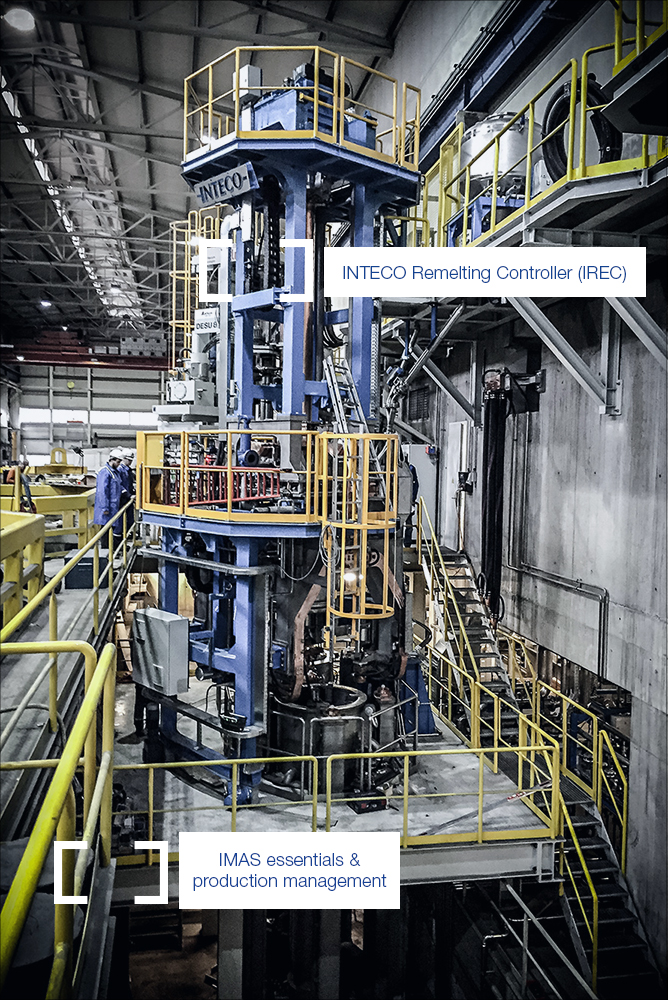
1) INTECO Remelting Controller (IREC)
for a stable remelting process
INTECO’s Remelting Controller (IREC) is ideal to upgrade any compatible furnace with INTECOs advanced melting control algorithms. Our advanced non-linear controllers provide voltage, current, melt rate and immersion depth control. The flexible design supports all different types of power supplies such as transformers, saturable reactors, and different kinds of power supply units. Integration into complete automation systems is possible via commercially available common fieldbus technologies. The sophisticated deviation tracking warns in case there might be any defects during remelting. It can be easily expanded with IMAS essentials.
2) IMAS production management & IMAS essentials
for overall control of all parameters/functions from start to the end
The IMAS Production Management (IMAS-PM) manages conventional functions of a production management system such as recipe management, order scheduling, downtime recording as well as equipment and consumable consumption. Nevertheless, the main focus is on quality assurance. The integrated check-list module provides an aviation industry compliant solution for tracking every production step, not only in a generic way, but tailored to individual needs. You have the choice between a traditional, paper driven concept, an electronical, tablet-based application, or a combination of both. The production-based review system provides summary reports and detailed ingot or batch analysis for all relevant product categories such as ingots, slabs, powder, or flakes. The system includes rule-based deviation control modules and ensures that only high-quality products are being shipped. Technically, the system can be implemented into any existing production setup with a PLC-friendly standard interface such as OPC-UA and standardized REST interface for higher-level applications like ERP systems.
IMAS essentials are the perfect add-ons for single remelting units. The user-friendly web-based interface provides master data management for mould and electrode formats in multiple languages. The template-based melting recipe system facilitates standardization and aims for constant quality improvement. Detailed production reports, generated for each melting operation, include production key performance indicators and documentation of quality-related incidents. Information on the ingot position where the incident occurred, is calculated. The high-resolution trend tool allows in-depth analysis. All relevant data points are recorded in PLC cycle time and stored in a head-based structure. Time-synced available video streams from furnace cameras facilitate in matching visual inspection with process values.
INTECO’s Remelting Controller (IREC) is ideal to upgrade any compatible furnace with INTECOs advanced melting control algorithms. Our advanced non-linear controllers provide voltage, current, melt rate and immersion depth control. The flexible design supports all different types of power supplies such as transformers, saturable reactors, and different kinds of power supply units. Integration into complete automation systems is possible via commercially available common fieldbus technologies. The sophisticated deviation tracking warns in case there might be any defects during remelting. It can be easily expanded with IMAS essentials.
The IMAS Production Management (IMAS-PM) manages conventional functions of a production management system such as recipe management, order scheduling, downtime recording as well as equipment and consumable consumption. Nevertheless, the main focus is on quality assurance. The integrated check-list module provides an aviation industry compliant solution for tracking every production step, not only in a generic way, but tailored to individual needs. You have the choice between a traditional, paper driven concept, an electronical, tablet-based application, or a combination of both. The production-based review system provides summary reports and detailed ingot or batch analysis for all relevant product categories such as ingots, slabs, powder, or flakes. The system includes rule-based deviation control modules and ensures that only high-quality products are being shipped. Technically, the system can be implemented into any existing production setup with a PLC-friendly standard interface such as OPC-UA and standardized REST interface for higher-level applications like ERP systems.
IMAS essentials are the perfect add-ons for single remelting units. The user-friendly web-based interface provides master data management for mould and electrode formats in multiple languages. The template-based melting recipe system facilitates standardization and aims for constant quality improvement. Detailed production reports, generated for each melting operation, include production key performance indicators and documentation of quality-related incidents. Information on the ingot position where the incident occurred, is calculated. The high-resolution trend tool allows in-depth analysis. All relevant data points are recorded in PLC cycle time and stored in a head-based structure. Time-synced available video streams from furnace cameras facilitate in matching visual inspection with process values.
Projekte
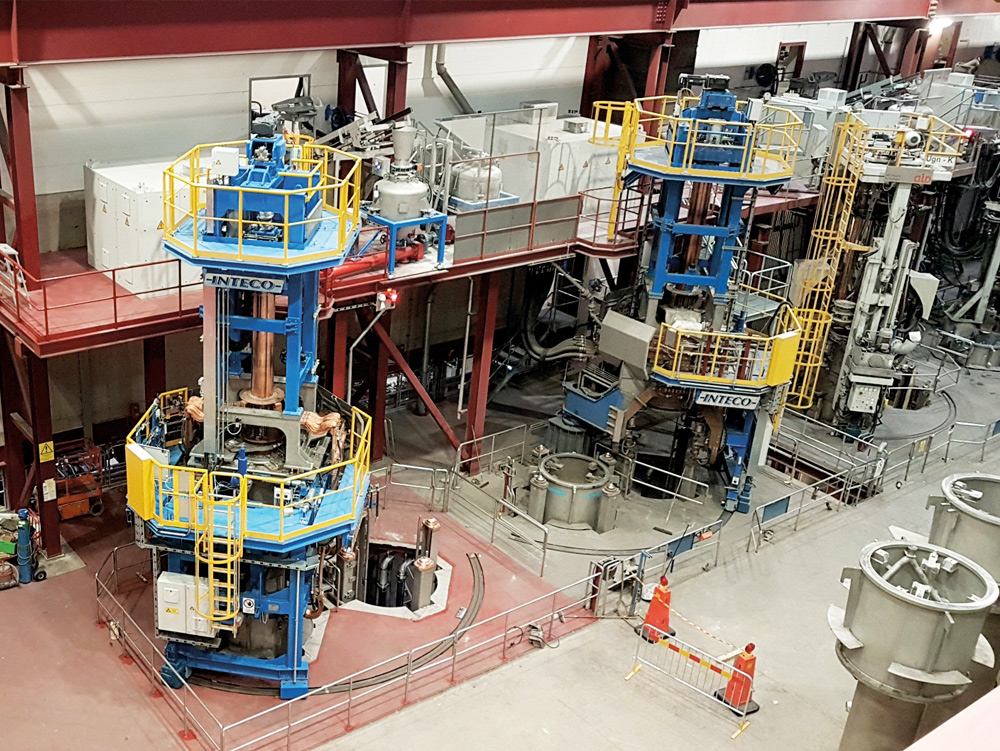
Uddeholms AB
Ugitech
BGH Lippendorf
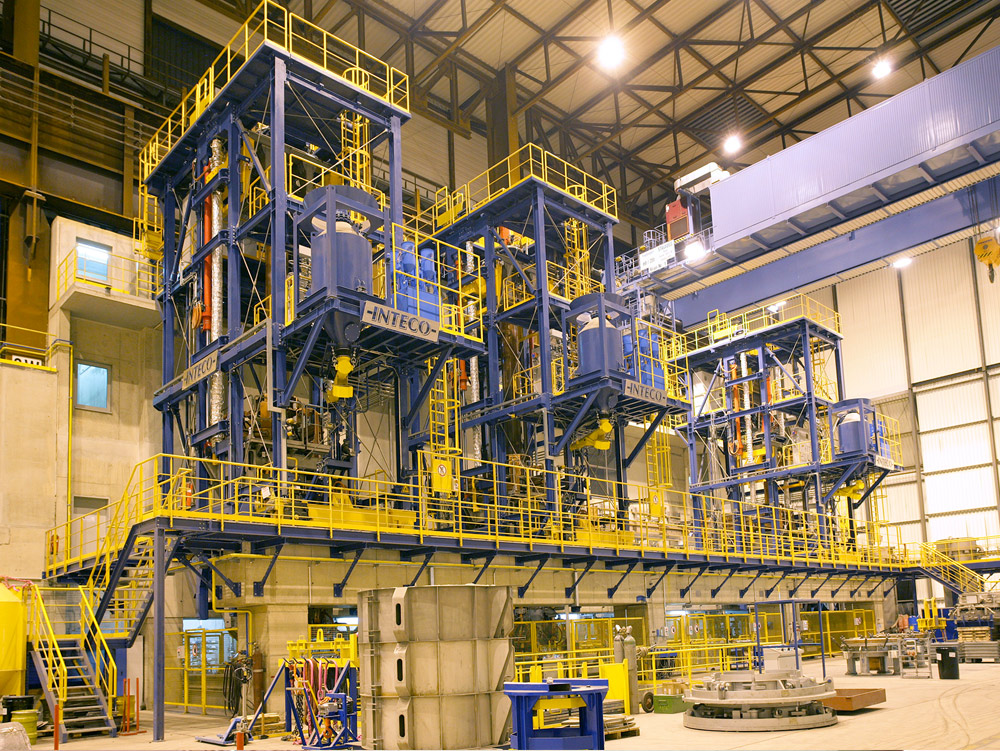
Saarstahl AG
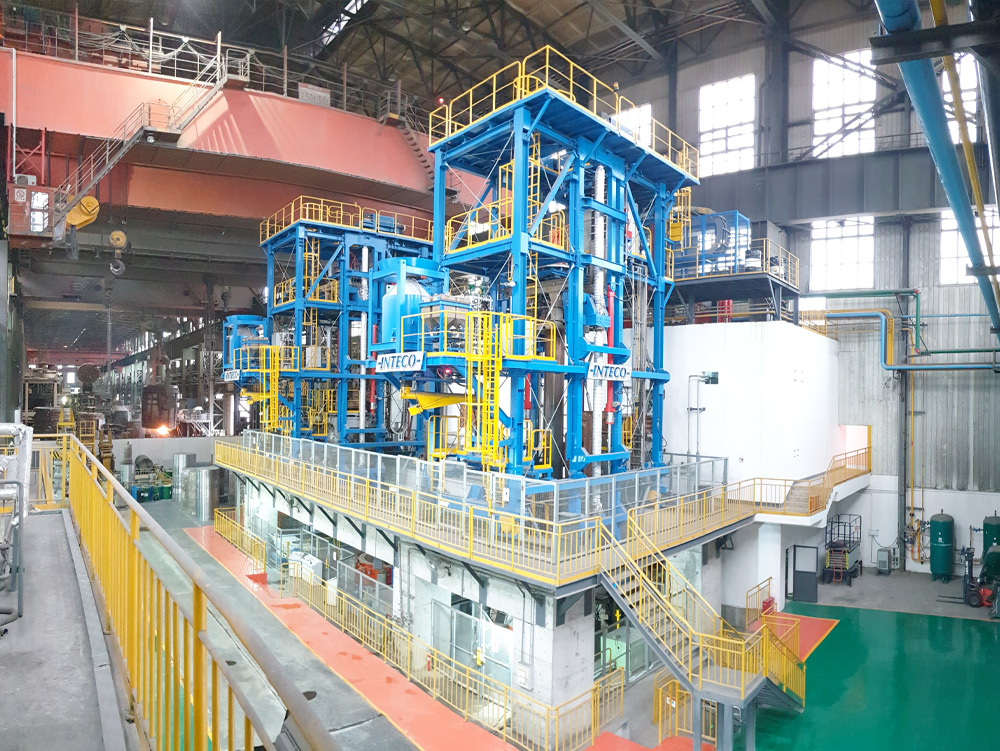
Erzhong